Orthopedic & Joint Replacement Overview
Orthopedic and joint replacement care focuses on diagnosing, treating, and restoring function to bones, joints, muscles, and ligaments. From minor injuries to complex joint replacements, the process includes assessment, personalized treatment, surgical or non-surgical intervention, and rehabilitation to ensure mobility and improved quality of life.
Common Conditions
- Osteoarthritis and Rheumatoid Arthritis
- Hip and Knee Joint Pain
- Fractures and Trauma Injuries
- Sports Injuries (Ligament Tears, Tendon Injuries)
- Spinal Disorders (Herniated Disc, Scoliosis)
- Congenital Bone and Joint Disorders
Diagnostic Process
- Clinical Evaluation: Assessment of pain, mobility, and medical history to understand the underlying orthopedic issue.
- Basic Tests:
- X-rays
- Blood Tests
- Physical Examination and Joint Movement Analysis
- Advanced Diagnostics:
- MRI or CT Scan
- Ultrasound for Soft Tissue Evaluation
- Bone Density Test
- Final Confirmation: Specialized imaging or diagnostic arthroscopy may be performed for precise planning of joint replacement or repair.
Treatment Options
Non-Surgical Management:
- Pain-relieving medications
- Physiotherapy and Exercise Programs
- Joint Injections (Corticosteroid or Hyaluronic Acid)
- Supportive Braces or Orthotics
Surgical & Joint Replacement Procedures:
- Knee and Hip Replacement Surgery
- Shoulder and Elbow Replacement
- Arthroscopic Surgery for Ligament and Meniscus Repair
- Spinal Surgeries (Disc Replacement, Fusion)
Procedure Step-by-Step (Example: Knee Replacement)
- Pre-Procedure Preparation: Medical evaluation, imaging, medication review, and fasting guidelines before surgery.
- During the Procedure: Damaged joint surfaces are removed and replaced with prosthetic components for restored mobility.
- Post-Procedure Monitoring: Observation of vital signs, pain management, and early mobilization under supervision.
- Rehabilitation & Recovery: Physiotherapy, gradual weight-bearing, and guided exercises to regain strength and range of motion.
Recovery & Rehabilitation
Recovery varies depending on the procedure. Rehabilitation includes supervised exercises, mobility training, lifestyle guidance, and ongoing medical follow-up to ensure optimal joint function and long-term health.
Possible Risks
- Infection or bleeding
- Blood clots (Deep Vein Thrombosis)
- Implant loosening or wear over time
- Nerve or tissue damage (rare)
Follow-Up Care
Regular follow-up appointments, physiotherapy review, and lifestyle guidance help maintain joint function, prevent complications, and improve overall mobility and quality of life.
Meet Our Specialists
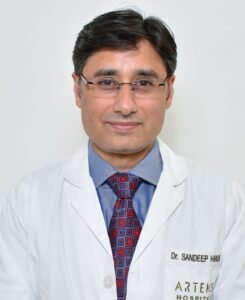 Dr. Sandeep Harkar
Senior Consultant – Orthopaedics & Joint Replacement Surgeon
Dr. Sandeep Harkar
Senior Consultant – Orthopaedics & Joint Replacement Surgeon
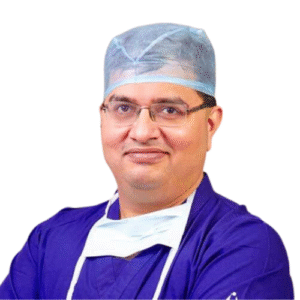 Dr. Manoj Padman
Paediatric Orthopaedics
Dr. Manoj Padman
Paediatric Orthopaedics
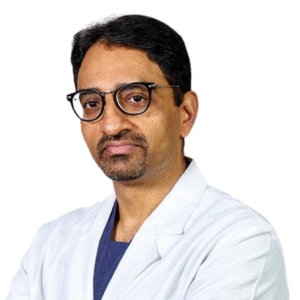 Dr. Subhash Jangid
Senior Director & Unit Head – Orthopaedics & Joint Reconstruction
Dr. Subhash Jangid
Senior Director & Unit Head – Orthopaedics & Joint Reconstruction
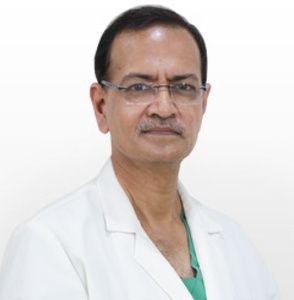 Dr. Rakesh Mahajan
Senior Director & Head of Orthopaedics
Dr. Rakesh Mahajan
Senior Director & Head of Orthopaedics
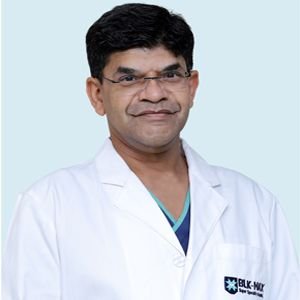 Dr. Ishwar Bohra
Joint Replacement & Spine Surgery
Dr. Ishwar Bohra
Joint Replacement & Spine Surgery
Best Hospitals for Orthopedic & Joint Replacement in India