Spine & Scoliosis Surgery Overview
Spine & Scoliosis care focuses on diagnosing and treating conditions affecting the spine, including deformities, nerve compression, degenerative disorders, and traumatic injuries. Treatment includes clinical evaluation, advanced imaging, non-surgical therapies, and when required, precision spine or scoliosis surgery to restore alignment, relieve pain, and improve overall mobility.
Common Spine Conditions
- Herniated Disc
- Spinal Stenosis
- Scoliosis and Kyphosis
- Spondylolisthesis
- Degenerative Disc Disease
- Spinal Fractures and Trauma
- Nerve Compression Disorders (Sciatica, Radiculopathy)
Diagnostic Process
- Clinical Evaluation: Assessment of pain, posture, neurological symptoms, and mobility to identify the underlying spinal condition.
- Basic Tests:
- X-rays for spinal alignment
- Blood tests to rule out infection or inflammation
- Physical examination and nerve function tests
- Advanced Diagnostics:
- MRI for soft tissue and nerve evaluation
- CT Scan for bone and structural analysis
- EOS Imaging for scoliosis and posture assessment
- Final Confirmation: Diagnostic clarity is achieved through imaging and clinical findings, helping surgeons plan corrective or minimally invasive spine procedures.
Treatment Options
Non-Surgical Management:
- Pain-relieving medications
- Physiotherapy and posture correction
- Epidural or nerve block injections
- Bracing for scoliosis or alignment support
Surgical Procedures:
- Minimally Invasive Spine Surgery (MISS)
- Spinal Decompression (Laminectomy, Discectomy)
- Spinal Fusion
- Scoliosis Correction Surgery
- Kyphoplasty and Vertebroplasty for fractures
Procedure Step-by-Step (Example: Scoliosis Correction Surgery)
- Pre-Surgery Preparation: Imaging, neurological evaluation, anesthesia assessment, and planning the correction angle for the spine.
- During Surgery: Rods, screws, and specialized implants are used to straighten the spine and stabilize the affected segments.
- Post-Surgery Monitoring: Observation of nerve function, pain control, wound care, and gradual mobilization under supervision.
- Rehabilitation & Recovery: Physiotherapy, posture training, and strengthening exercises to ensure long-term stability and improved spinal alignment.
Recovery & Rehabilitation
Recovery includes guided physiotherapy, posture correction, pain management, and regular medical follow-up. Rehabilitation aims to restore spinal movement, reduce pain, and help patients return to daily activities safely.
Possible Risks
- Infection or bleeding
- Nerve injury (rare)
- Implant loosening or breakage
- Non-union after fusion surgery
- Persistent pain or stiffness
Follow-Up Care
Scheduled follow-up visits, X-rays, physiotherapy sessions, and posture evaluation help ensure proper healing, maintain alignment, and prevent future spine-related complications.
Meet Our Specialists

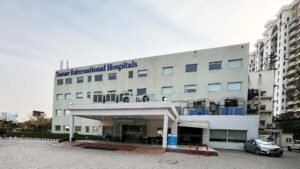
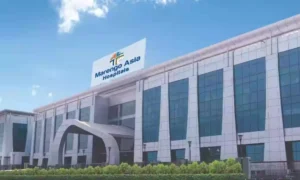
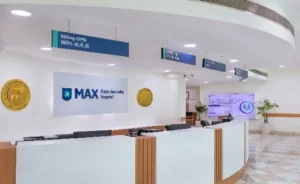
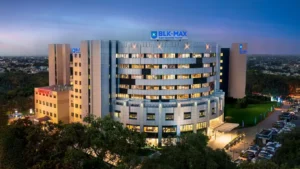
Best Hospitals for Spine & Scoliosis Surgery in India